
These tips from Johnny Prescott can protect your home
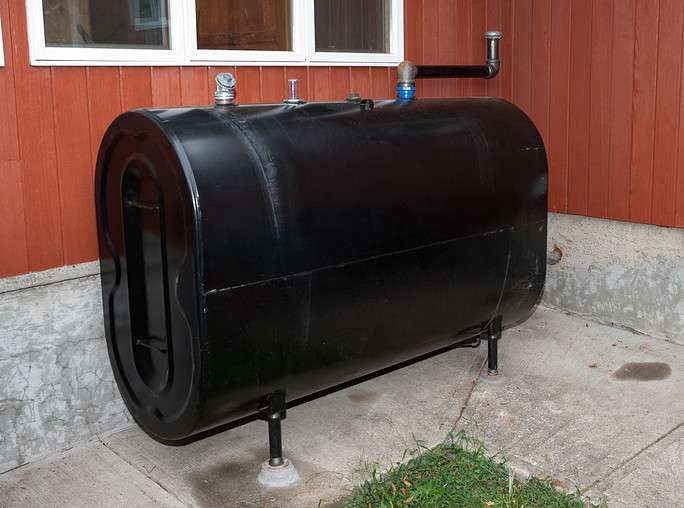 A reliable heating system is vital for keeping your family safe and comfortable during freezing New Hampshire winters. However, a hidden threat could be compromising your equipment right now: internal tank corrosion. Because older steel tanks generally corrode from the inside out, homeowners often miss the warning signs until a costly leak damages their property.
Understanding the root causes of this deterioration will help you take proactive steps to extend the lifespan of your equipment. By learning how to maintain your tank and recognize early red flags, you can secure your home and prevent expensive seasonal breakdowns.
What causes heating oil tank corrosion?
The primary culprit behind heating oil tank corrosion is condensation. As temperatures rise and fall throughout the year, condensation forms on the empty inner walls of your tank. Since water is denser than heating oil, these moisture droplets slide down the sides and settle at the very bottom.
Once water pools inside the tank, it creates a breeding ground for naturally occurring microorganisms. These bacteria thrive at the boundary where the water meets the oil. As they multiply, they produce a dark, thick sludge and release acidic byproducts. This acid slowly eats away at the steel walls from the inside, significantly weakening the structural integrity of your tank over time.
What are the signs of heating oil tank corrosion?
Because the damage happens internally, a tank can look perfectly fine on the outside while being dangerously thin on the inside. You should still perform regular visual inspections to catch any external clues before a complete failure occurs. Watch for these common indicators:
- Blistering or peeling paint: Moisture seeping through the steel can cause the exterior paint to bubble or flake off.
- Rust spots: Visible rust anywhere on the tank, particularly along the bottom or near the seams, indicates advanced wear.
- Damp patches: If you notice weeping or wet spots on the tank’s surface, fuel is likely starting to push through microscopic pinholes.
- Fuel odors: A persistent smell of heating oil around your storage area often suggests a slow leak.
How can heating oil tank corrosion be prevented?
You can significantly reduce the risk of internal rust by controlling the amount of moisture that enters your system. The most effective strategy is to keep your heating oil tank full during the summer months. A full tank leaves virtually no bare internal surface area for condensation to form when the weather gets warm and humid.
Additionally, you should schedule a comprehensive annual inspection with a qualified technician. A professional can check your tank for early signs of wear, test for the presence of water, and apply specialized treatments to neutralize bacteria and break down harmful sludge.
Upgrade to a modern, reliable heating oil tank
If your current tank is more than 15 to 20 years old, the safest preventative measure is a proactive replacement. Today’s heating-oil tanks are light years ahead of the models installed decades ago. Upgrading your equipment provides immediate peace of mind and introduces several advanced safety features to your home.
When you invest in a modern replacement, you benefit from:
- Double-walled construction: The outer tank is made of corrosion-resistant galvanized steel, providing a robust secondary layer of protection.
- Advanced safety features: New tanks are virtually leakproof and come equipped with an integrated leak-detection system.
- Sleek, innovative design: Modern units take up less space and look significantly cleaner in your basement or yard.
- Long-term warranty: Manufacturers stand behind their updated technology with comprehensive warranties that protect your investment.
Keep your home’s heating system safe
Protecting your property from oil leaks requires a mix of seasonal awareness and professional support. Johnny Prescott Heating Oil & Propane provides expert heating oil tank replacement, installation, and service to keep your household running smoothly and safely.
Whether you need a routine inspection or a complete system upgrade, our team proudly serves homeowners in Contoocook, NH, and nearby Greater Concord towns. Contact us today to schedule an evaluation and ensure your home is fully prepared for the seasons ahead.