
Johnny Prescott helps keep your boiler running smoothly and efficiently
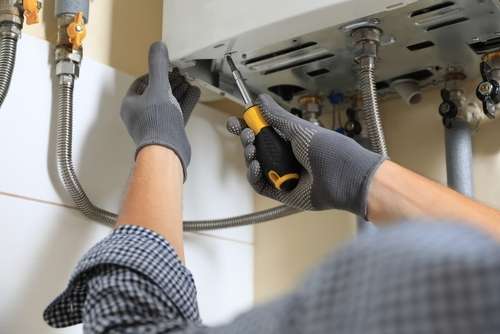 Keeping your home warm during a New Hampshire winter is no easy task, and your boiler is at the heart of that effort. Whether you’re upgrading your heating system or making sure that your current boiler runs at peak efficiency, proper installation and maintenance make all the difference.
That’s where Johnny Prescott comes in. For decades, we’ve been a trusted partner for homeowners in Concord, New Hampshire, and the surrounding communities, delivering expert boiler installation, maintenance, and repair services. Our team is made up of seasoned professionals who take pride in their work and share a commitment to keeping your home comfortable all winter long.
Here is everything you need to know about how your boiler works and how to keep it running smoothly for years to come.
How does a boiler work?
Unlike a furnace, which heats air and blows it through ducts, a boiler uses water to heat your home. It’s a hydronic system, meaning it heats water (or turns it into steam) and circulates it through pipes to radiators, baseboard heaters, or radiant floor systems.
The process starts when the thermostat senses a drop in temperature and signals the boiler to turn on. The burner ignites, heating the water inside a heat exchanger. A circulator pump then pushes this hot water through your home’s piping system. As the water flows through your radiators or baseboards, it releases heat into the room. The cooled water then returns to the boiler to be reheated, and the cycle continues.
Because water holds heat better than air, boilers often provide more consistent, even warmth without the drafts associated with forced-air systems. However, because they rely on pumps and valves rather than fans and ducts, they require a different approach to maintenance.
How often should boilers get a maintenance tune-up?
The short answer: Once a year.
Annual maintenance is the gold standard for boiler efficiency and safety. We strongly recommend scheduling your tune-up in the late summer or early fall, before the freezing New Hampshire temperatures set in. This ensures your system is ready to handle the heavy workload of winter.
During a professional tune-up, a Johnny Prescott service technician will:
- Inspect and clean the heat exchanger.
- Check and adjust the burner for optimal combustion efficiency.
- Test safety controls and pressure levels.
- Inspect the flue and venting system for blockages or leaks.
- Check all wiring and connections.
Skipping annual maintenance might save a few dollars upfront, but it often leads to reduced efficiency, higher fuel bills, and a higher risk of unexpected breakdowns when you need heat the most.
What are the signs your boiler is having problems?
Even with regular maintenance, components can wear out over time. Catching issues early can prevent a minor repair from turning into a total system failure. Keep an eye (and an ear) out for these warning signs.
Strange noises: Boilers are generally quiet. If you hear banging, clanking, or whistling (kettling), it could indicate limescale buildup on the heat exchanger or issues with water pressure.
Uneven heating or cold spots: If some rooms are freezing while others are toasty, or if your radiators aren’t heating up fully, you may have air trapped in the lines or a failing circulator pump.
Leaking or dripping: You should never see water pooling around your boiler. Leaks can lead to significant water damage and structural issues within the unit itself. Contact us right away if you see this.
Unexplained increase in fuel bills: If your heating habits haven’t changed but your energy costs have spiked, your boiler is likely working harder than it needs to, signaling a drop in efficiency.
Pilot light issues: If you have an older system with a pilot light, the flame should always be blue. A yellow or orange flame indicates incomplete combustion, which could mean a dangerous carbon monoxide leak. If you see this, call a professional immediately.
How to tell if your boiler may need replacing
No heating system lasts forever. Most cast-iron boilers have a lifespan of 20 to 30 years, while high-efficiency condensing boilers may last 15 to 20 years. If your unit is approaching this age range, you should start planning for a replacement.
Beyond age, consider the “50% Rule”: If the cost of a repair approaches 50% of the value of a new system, it’s usually more financially sound to replace it. Newer models are significantly more efficient—often achieving AFUE (Annual Fuel Utilization Efficiency) ratings of 90% or higher—which can lower your annual heating costs enough to offset the investment over time.
Trust the experts at Johnny Prescott
Your boiler is a complex piece of machinery that keeps your family safe and warm. Don’t leave its performance to chance. Whether you need an annual tune-up, an emergency repair, or advice on installing a high-efficiency replacement, we are here to help.
Reach out to the team at Johnny Prescott today to schedule your service and ensure your home stays cozy all winter long.